
Why Marketing Is Burning Out. The Structural Failures Driving the Industry Crisis
The marketing profession has long been synonymous with creativity, agility, and strategic innovation. Yet, beneath the surface of high-impact campaigns lies a growing systemic crisis.
Findings from multiple surveys, including the Marketing Week Career & Salary Survey and the Gartner CMO Spend Survey, show that this is not due to a lack of individual resilience but to widespread structural burnout.
Marketers are increasingly overwhelmed and emotionally exhausted, struggling to sustain long-term career goals as a direct result of organizational failures that have transformed marketing into one of the most operationally strained functions in modern business.
The Drivers of a Breaking Point
To address the crisis, we must first diagnose the deeper structural drivers that have pushed the industry to this precipice. Let’s identify the key drivers shaping this breakdown.
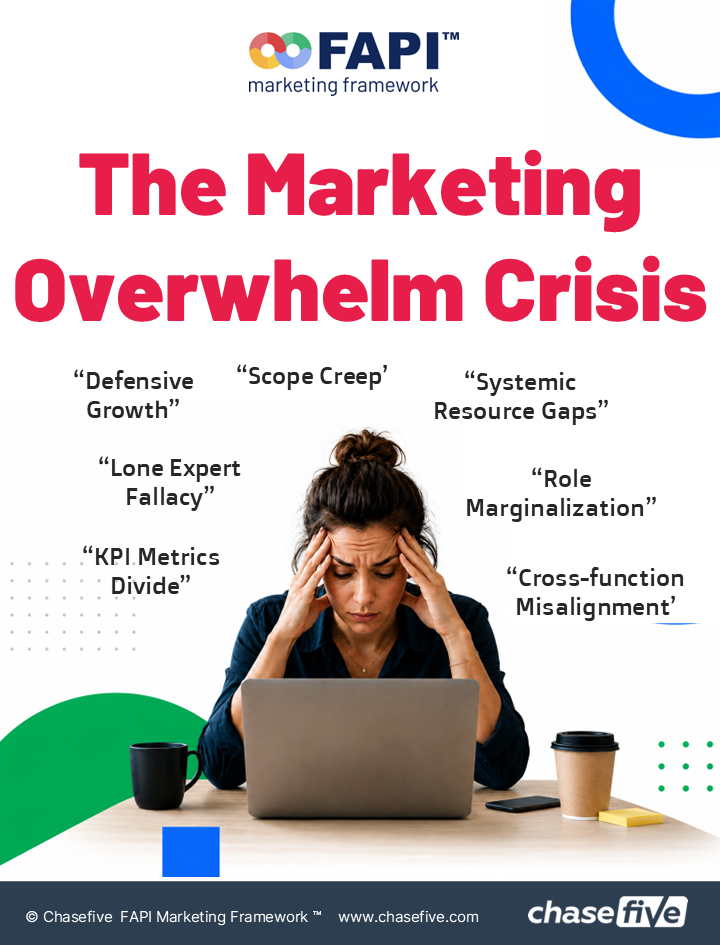
- The Justification Burden: Marketing has shifted from a growth engine to a defensive function. More than half of professionals feel undervalued and are trapped in a cycle of justifying every cent of spend against short‑term revenue instead of executing long‑term strategy.
- The “Lone Expert” Expectation:
Modern roles demand an impossible convergence of skills — strategy, analytics, SEO, AI integration and content production. This role fragmentation leads to cognitive overload and shallow output.
- Systemic Resource Gaps:
Organisations frequently raise growth targets and add complex tech stacks without fixing underlying operational dysfunction. Teams are expected to do more with less while navigating unclear lines of accountability and broken processes.
- The Always‑On Culture:
The digital nature of the field has blurred professional boundaries, leading to chronic sleep disruption, anxiety and a sense of detachment from professional purpose.
- Strategy Marginalisation:
Leaders often view marketing only as the “creative department.” By excluding marketing from initial business planning, they force teams to retrofit or “decorate” strategies that may be fundamentally flawed or misaligned with the market.
- The KPI Metrics Divide: A structural lack of clear performance parameters — a fundamental disconnect between the granular, tactical data marketing teams track and the strategic outcomes business leaders expect.
When marketers burn out, the business pays the price through reduced innovation, weakened brand equity, and the costly loss of institutional knowledge. Solving this requires more than wellness initiatives; it requires a fundamental redesign of how marketing is managed.
Rebuilding the System: How the FAPI Marketing Framework™ Ends the Burnout Cycle
True reform requires moving away from "firefighting" and toward a structured, sequential management system. The FAPI Marketing Framework™ directly addresses these root causes by introducing organizational clarity and operational discipline.
1. Restoring Strategic Clarity
Burnout is fueled by shifting priorities. The Frame module of the FAPI Framework establishes long-term objectives and unified positioning at the leadership level before execution begins. By encoding strategy early, the framework eliminates the chaos of reactive short-termism, giving teams a stable foundation to build upon.
2. Solving Role Fragmentation
To end the "one-person agency" expectation, the Architecture module decomposes strategy into defined user journeys and functional roles. By clarifying SOPs and Scopes of Work, the FAPI Marketing Framework creates operational specialization. Individuals no longer juggle disconnected responsibilities; they work within a structure that respects their expertise and capacity.
3. Bridging the KPI Divide
Bridging the KPI divide, a primary driver of exhaustion is unfair accountability that holds production staff responsible for high-level revenue goals they cannot control; the Insights module resolves this by separating metrics so Production Executives can focus on execution and operational measures while the C‑Suite and Plan Masters carry responsibility for commercial impact and ROMI. This ensures everyone is judged on what they actually influence, reducing reporting fatigue and restoring professional confidence.
4. Transitioning to Managed Production
Process chaos is replaced with discipline in the Production module. Through structured rituals, such as kickoff meetings and whiteboarding sessions, marketing moves from ad-hoc deployment to a managed production environment. This reduces the friction and "bottleneck" stress caused by poor execution systems.
5. Fostering Collaborative Leadership
Finally, FAPI ends the isolation of the "lone expert." By involving "Functional Leads" from across the organization (IT, Sales, HR), marketing becomes a cross-functional team sport. Within this system, the Plan Master acts as a coach rather than a micromanager, removing roadblocks and fostering a Kaizen-inspired culture of continuous improvement.
C-Suite Role in Driving Marketing Success with the FAPI Marketing Framework
In the FAPI Marketing Framework, the C-suite owns overall commercial performance and P&L, setting marketing direction as part of the business plan rather than delegating it to marketing.
Core Responsibilities:
- Strategic Direction (The Frame): Defines long-term vision, purpose, and boundaries within the overarching business plan before tactics.
- Resource Allocation: Approves budgets and personnel to support marketing execution.
- Project Oversight: Monitors progress via the Plan Master, offers guidance, resolves roadblocks, and manages risks.
- Commercial Impact: Tracks top-line revenue and ROMI, not production metrics.
- Advocacy: Champions the framework organization-wide for stakeholder buy-in and team support.
The Path Forward to Operational Excellence and Strategic Resilience
Marketing burnout is an organizational design problem, not an individual resilience issue. Businesses that continue to treat it as a personal failing risk losing their competitive advantage.
By adopting the FAPI Marketing Framework™, organizations can fix the broken systems that drive talent away. When the structure is sound, marketers can finally step out of survival mode and return to what they do best: building meaningful, sustainable growth.
Learn more and access free FAPI Marketing Framework resources.