By Chasefive Management
•
August 2, 2026
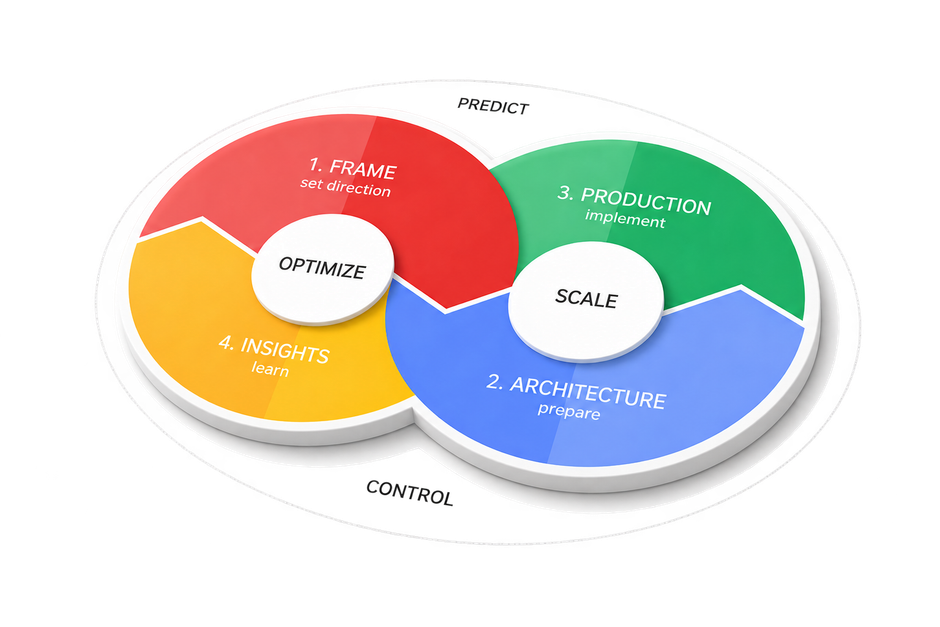
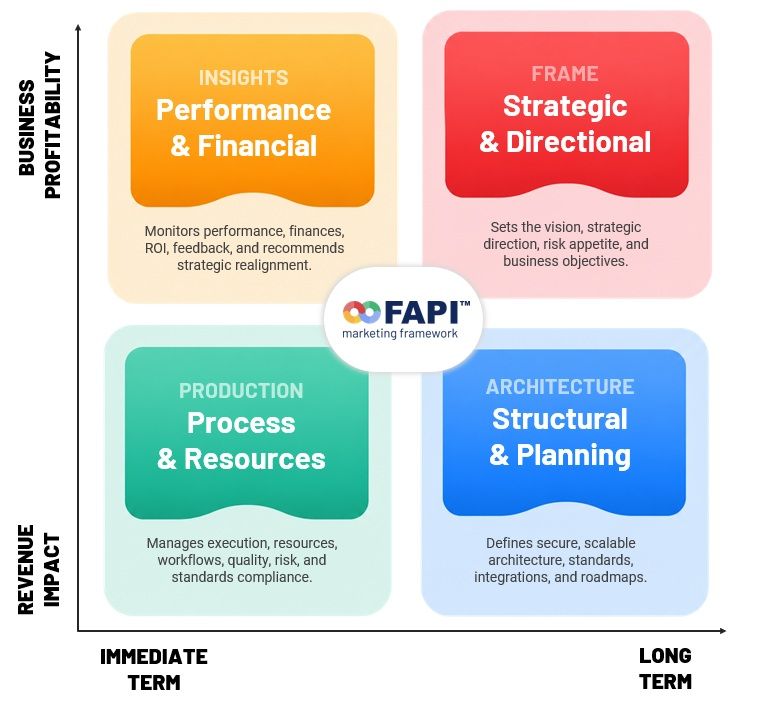
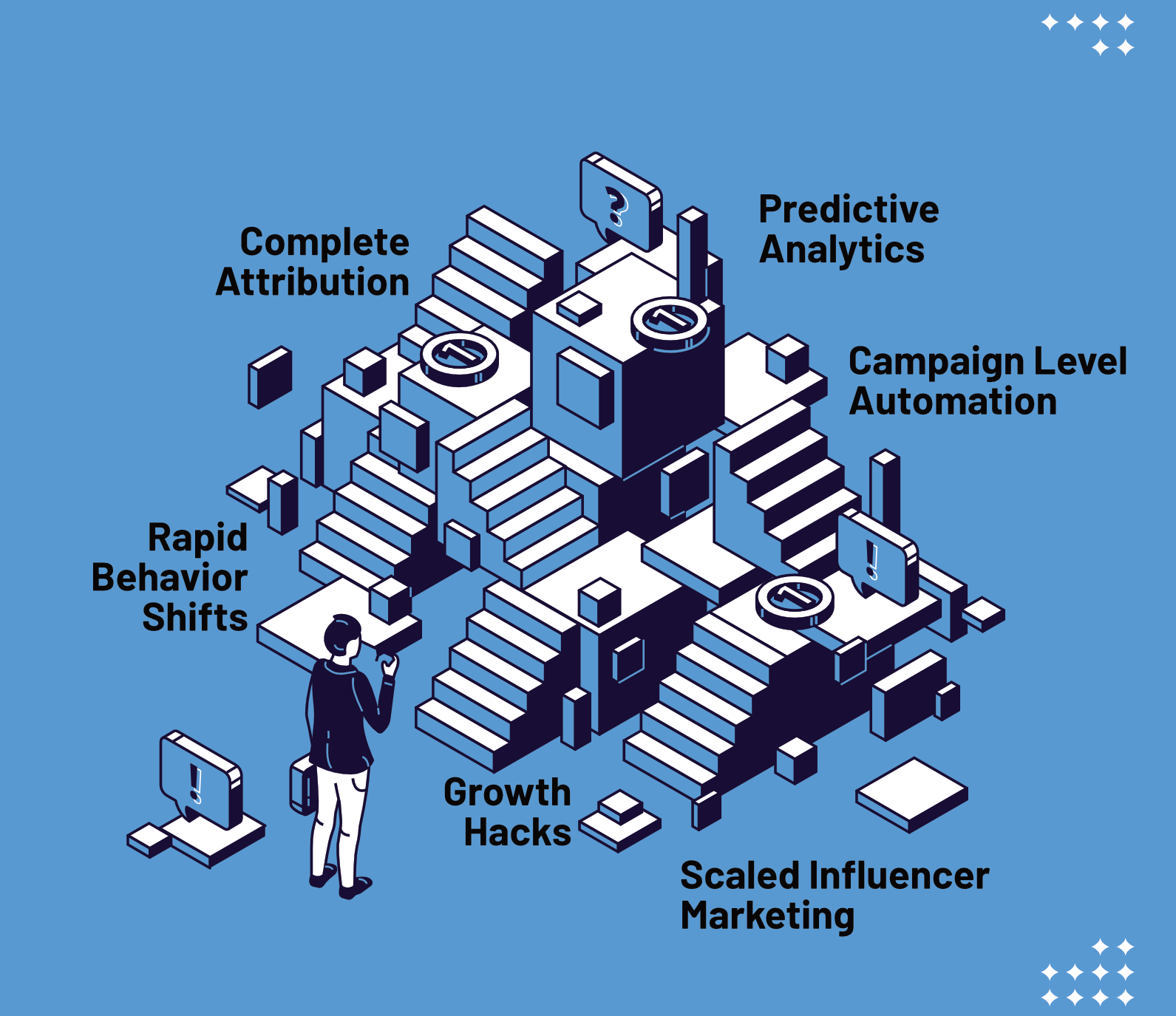
For more than two decades, marketing has been shaped by bold predictions. New technologies, platforms, and methodologies were often presented as inevitable revolutions that would fundamentally change how businesses attract, engage, and convert customers. Many of these innovations delivered genuine improvements. However, some of the industry’s biggest promises never fully materialised. In many cases, the technology evolved, but customer behaviour, organisational capability, or commercial reality prevented the promised transformation from occurring or significantly undercut its impact. Understanding these lessons is valuable because they highlight an important principle: successful marketing is driven by evidence and customer behaviour, both of which can sometimes contradict widely promoted industry trends. 1. Complete Attribution: “Everything Can Be Measured” The Promise Marketing was built on the belief that every impression, click, and conversion could be tracked and accurately attributed to a specific marketing event. Multi-touch attribution promised complete visibility into the customer journey. Marketing technology vendors promised organisations a single, unified view of every customer by seamlessly connecting websites, email, CRM systems, social media, mobile applications, and offline interactions. What Happened That vision has steadily eroded. Third-party cookies have been deprecated or blocked by major browsers, privacy regulations have restricted cross-site tracking, and customer journeys have become increasingly fragmented across devices and platforms. More recently, AI-powered search assistants have introduced new pathways that marketers cannot fully observe. Consumer behaviour is more complex than ever, and linking events to accurate attribution is increasingly challenging. In practice, customer data remained fragmented across numerous systems. Integrating disparate databases proved expensive, technically complex, and often impossible to maintain in real time. The Reality By 2026, no platform can provide complete end-to-end attribution. Multi-touch attribution has become increasingly unreliable, forcing marketers to accept uncertainty rather than perfect measurement. Although customer data platforms have improved significantly, true omnichannel orchestration remains an aspiration for most organisations rather than an operational reality. 2. Predictive Analytics: “We Can Forecast Customer Behaviour” The Promise Predictive analytics promised to forecast future customer actions, allowing marketers to anticipate purchasing decisions, identify churn, and optimise campaigns before they occurred. What Happened Early predictive models relied heavily on historical data, simple statistical models, and rule-based segmentation. They struggled to adapt to changing market conditions and were often undermined by incomplete or poor-quality data. The Reality Predictive analytics remains valuable, but it is probabilistic rather than prophetic. Human judgement continues to be essential when interpreting forecasts. 3. Campaign-Level Automation: “Campaigns Will Run Themselves” The Promise Marketing automation platforms promised self-managing campaigns that would nurture leads, personalise experiences, and eliminate much of the manual workload associated with marketing execution. What Happened While automation successfully reduced repetitive work, most systems depended on predefined workflows rather than genuine intelligence. Even today’s AI-assisted automation requires human strategy, governance, quality assurance, and ongoing optimisation. The Reality Automation enhances marketers; it does not replace them. 4. Influencer Marketing at Scale: “Creators Can Guarantee ‘Unpaid’ Reach” The Promise Influencer marketing emerged as a shortcut to authenticity. Brands believed creators could reliably deliver trust, engagement, and scalable sales simply through sponsored content. What Happened Audiences quickly became more discerning. Formulaic sponsorships lost credibility, engagement declined, and generic influencer partnerships often produced disappointing commercial outcomes. The Reality Successful influencer marketing now depends on genuine partnerships, long-term collaboration, and authentic alignment between creators and brands. 5. Marketing Hacks: “Secret Shortcuts Deliver Overnight Success” The Promise The growth of online tricks, influencers, and marketing gurus popularised the idea that hidden tactics and algorithm hacks could rapidly produce extraordinary business results. What Happened Many businesses invested in formulaic growth tactics that delivered inconsistent or short-lived outcomes. Increasingly complex and competitive business environments have rendered cookie-cutter, short-term solutions inadequate, requiring more strategic and holistic approaches aligned with real customer behaviour and market pressures. The Reality Long-term marketing success comes from strategic thinking, customer understanding, and consistent execution. 6. Rapid User Behaviour Shifts: “Video, Voice, Metaverse” The Promise Perhaps the industry’s biggest assumption was that new technology would rapidly transform consumer behaviour. Businesses were encouraged to redesign marketing strategies around predicted behavioural shifts before those behaviours had actually emerged. Several high-profile examples illustrate this pattern: The Pivot to Video predicted that text content would become obsolete as consumers overwhelmingly preferred video. Voice Commerce suggested that voice assistants would become a primary channel for online shopping. The Metaverse promised immersive virtual worlds where consumers would shop, interact with brands, and spend significant amounts of time. What Happened Each innovation found legitimate use cases, but consumer behaviour evolved far more gradually than anticipated. Video became an important content format without replacing written content. Smart speakers were primarily used for simple utility tasks rather than retail purchasing. The metaverse struggled to overcome hardware limitations, usability challenges, and limited consumer adoption, leaving many expensive virtual brand experiences largely unused. The Reality Technology alone rarely changes behaviour. Lasting behavioural shifts occur only when new technologies genuinely solve customer problems better than existing alternatives. The Common Thread More than twenty years of marketing evolution reveal a consistent pattern. The technologies themselves were often genuine innovations. What repeatedly failed were the exaggerated expectations surrounding their impact. The industry’s biggest mistakes were not adopting new technology—they were assuming that technology alone would fundamentally change customer behaviour, eliminate strategic judgement, or provide perfect certainty. The FAPI Marketing Framework addresses this challenge by providing a structured management system that places strategy, governance, and continuous learning ahead of technology adoption. Rather than allowing new tools to dictate marketing direction, the Framework ensures that every technology is evaluated against business objectives, customer needs, and measurable outcomes. Innovation becomes part of a disciplined process, not a substitute for strategic thinking. The Lessons for Modern Marketers Accept that measurement will always contain uncertainty. Prioritise customer behaviour over industry predictions. Use automation to augment people, not replace them. Balance short-term optimisation with long-term brand building. Treat new technologies as tools to be validated, not assumptions to be accepted. Build marketing capabilities around a repeatable management system rather than around individual platforms or trends. Marketing will continue to evolve rapidly, but sustainable success rarely comes from chasing every new promise. It comes from understanding customers, testing assumptions, validating new technologies through evidence, and continuously improving marketing through a disciplined management system. By separating enduring management principles from constantly changing technology, the FAPI Marketing Framework helps organisations innovate with confidence while remaining strategically aligned, adaptable, and resilient over time.